Connecting Attendance and Performance for Fair Performance Sharing
2026-06-22

More companies are once again paying attention to Performance Sharing. Rather than focusing only on performance-based compensation, performance-sharing programs are increasingly being used to connect employee contributions with evaluation criteria.
In practice, however, an important question remains: how should performance be measured and evaluated using standards that employees can understand and accept? To operate a performance-sharing program more consistently, it is advisable to establish a framework that can manage attendance data, such as working hours and work arrangements, together with performance indicators such as goal achievement.
In this article, we look at why performance sharing should be connected with attendance management and how an HR system can support this approach.
Limitations of Performance Sharing and the Need for Attendance Data
Companies increasingly operate performance-sharing programs by evaluating employee contributions and connecting the results with compensation. In practice, however, some programs may focus primarily on short-term rewards or fail to build sufficient employee understanding because evaluation criteria are not clearly shared.
Many organizations evaluate performance primarily through outcome-based indicators such as sales, goal achievement rates, and customer satisfaction. However, outcome-based evaluation may not fully reflect the level of effort or work contribution involved. For example, two employees may achieve the same sales result, while one reaches the goal through overtime and weekend work and the other achieves the same result through more efficient schedule management. Looking at outcomes alone may not fully explain the process behind the performance.
To operate performance sharing as a more structured performance management framework, it is advisable to consider attendance data such as working hours, work arrangements, leave usage, and flexible work histories alongside performance indicators. Clock-in and clock-out records, overtime hours, and leave data can serve as basic information for objectively reviewing employees' work patterns and level of work contribution.
Companies can use this data to review individual contributions more objectively while also examining workforce operations and working conditions by department. Managing both outcome indicators and process-related indicators can help improve the stability of performance-sharing programs.
The Value of Attendance Data in Supporting Fair Performance Management
For a performance-sharing program to build trust within an organization, not only final performance results but also the process data behind those results should be managed transparently. When performance management and attendance data are connected effectively, organizations can define management standards more clearly.
-
Understanding performance in broader context
Reviewing actual work arrangements and working time data alongside outcome indicators such as sales or project achievement rates can help clarify the working time structure and workload distribution behind a particular result. This allows organizations to move beyond simple numerical comparisons and consider how time spent on work and collaboration methods may have contributed to performance.
-
Managing productivity sustainably
Reviewing whether overtime or weekend work occurs repeatedly during the process of achieving results can help organizations assess their overall working time structure. This information can serve as a reference when designing productivity standards that consider both balanced working hours and work efficiency rather than focusing only on short-term results.
-
Designing reasonable performance-sharing criteria
Quantifiable attendance data, including work schedules, clock-in and clock-out records, and leave usage, can be used as reference indicators when designing performance-sharing criteria that reflect individual and team contributions more objectively. This can help create compensation frameworks that employees are more likely to understand and accept.
HR System Strategies for Connecting Attendance and Performance Data
To operate performance-sharing programs more consistently, it is advisable to design an HR system structure that allows performance indicators and workforce data to be reviewed and compared together. When each type of data is managed separately across different systems, managers may need to review performance information and working time data independently, creating additional verification work. This can make it more difficult to apply evaluation criteria consistently. A more efficient approach is to build an integrated environment where attendance data, request and approval workflows, and reporting functions can be managed on a single platform.
When this integrated data structure is connected with ERP or performance management systems, working time and performance indicators can be reviewed using more consistent standards. This can also help organizations provide clearer supporting information during performance-sharing reviews.
Shiftee supports the management of working hours, leave, and work schedules on a single platform. It can also integrate with ERP and collaboration systems, allowing HR teams to use workforce data as reference information during performance reviews. This can help organizations maintain clearer performance management standards and improve consistency across HR operations.
Data-Driven Performance Sharing with Shiftee
Shiftee is an integrated workforce management solution that supports the management of workforce data that can be referenced when operating performance-sharing programs. Working hours, leave, work schedules, and other workforce data can be managed on a single platform, making it easier to review relevant work information using consistent standards. By managing recurring HR processes within the system, administrators can also focus more on core responsibilities such as reviewing performance criteria and designing HR policies.
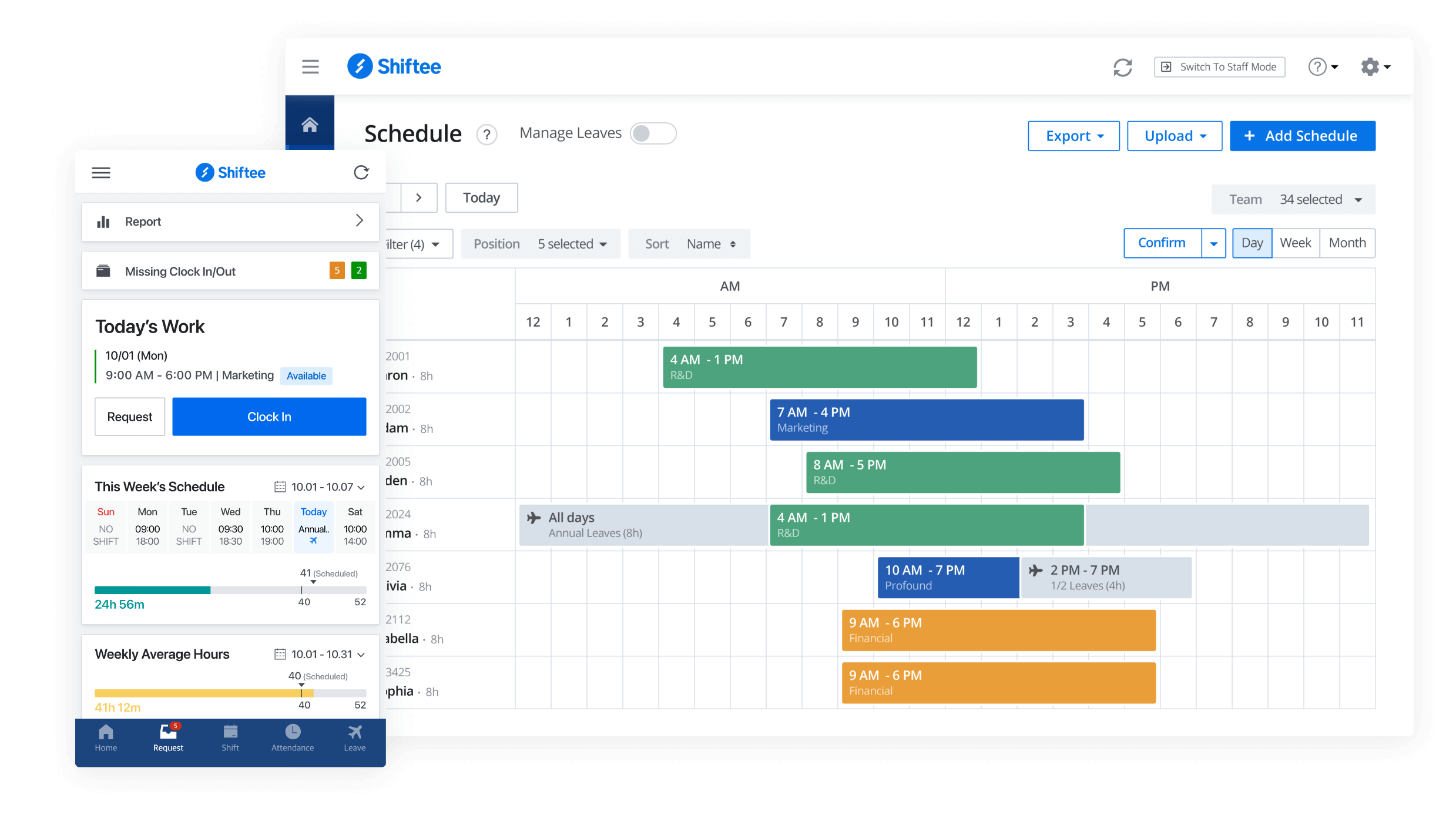
① Accurate Clock-In and Clock-Out Records
Clock-in and clock-out records can be managed using location-based or Wi-Fi authentication. When an employee taps the clock-in or clock-out button in the Mobile App, location information at that moment is verified through the authentication process and the work start or end time is recorded. The system can operate without separate devices, while authentication logs allow administrators to review the history of attendance records. Accumulated attendance data can also be used as reference information for working time management and HR reporting.
② Working Time Calculation and Reporting
Overtime, night work, and holiday work hours can be calculated according to predefined working standards. Administrators can review working hours calculated based on approved work schedules and clock-in and clock-out records and download report files when needed. These working time reports can be used to review working time distribution by department, the proportion of overtime, and leave usage, and can also serve as reference indicators when designing performance management standards.
③ Support for Flexible and Remote Work Arrangements
Various work arrangements, including staggered working hours, selective working hours, flexible working hours, and work from home, can be managed within a single framework. Working hours can be categorized and managed according to predefined rules for each work arrangement, helping organizations maintain consistent management standards even when multiple work systems are in place. Administrators can use this data to review work patterns by department or role and assess workforce structures across different work arrangements.
④ Integrated Workflow and Electronic Signature
Attendance-related processes such as overtime requests, schedule changes, and leave requests can be managed through workflow. Approval rules can be configured by organization or role, allowing request, approval, and record histories to be reviewed within the system. Employment contracts and other HR documents can also be processed through electronic signature, allowing completed documents to be managed systematically.
⑤ Data Integration and Consolidated Insights
Attendance data and reporting functions can be integrated with ERP and collaboration systems so working data can be reviewed together. This allows HR teams to use working hours, leave, work patterns, and related data as reference information during performance reviews and helps support a more consistent data-driven HR operating framework.
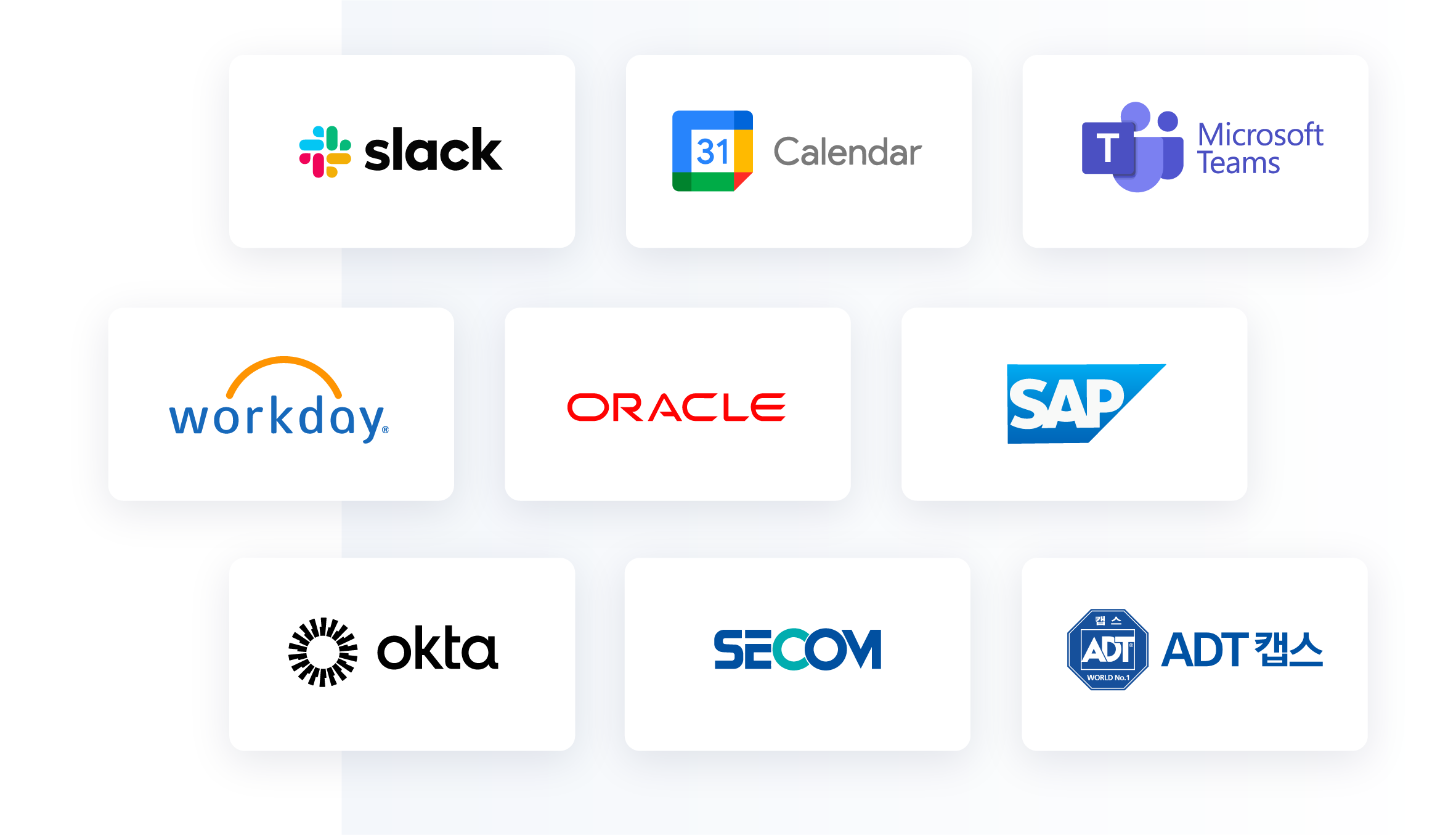
More organizations are using working hours and work arrangement data alongside performance indicators when operating performance-sharing programs. Attendance data can serve as reference information for reviewing both contribution and the structure of work behind performance.
Shiftee supports this data-driven approach by centrally managing working hours, leave, and work schedules and integrating with ERP and HR systems. If you are considering a performance-sharing program, start with Shiftee.
When citing the content, be sure to indicate the source according to copyright law.